
Five risks of not having a digital site diary in construction
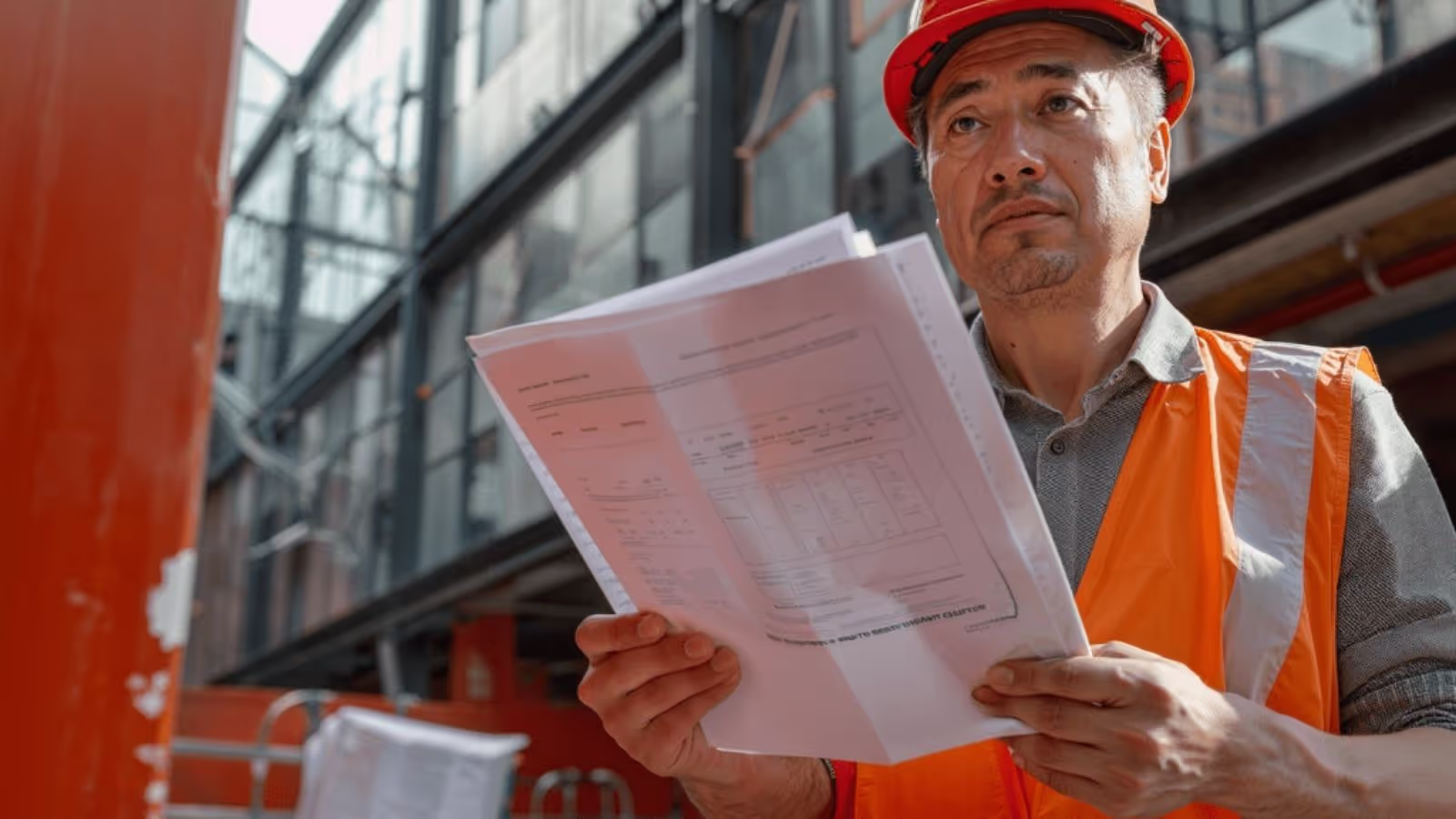
In the construction industry, precise and reliable documentation is crucial for the smooth operation and success of projects. A digital site diary is a tool that allows for the recording of daily site activities, incidents, progress, and observations in a digital format, accessible from anywhere at any time. The importance of a digital site diary in construction cannot be overstated, as it offers numerous advantages over traditional manual methods. This blog will explore the risks associated with not utilizing a digital site diary and the benefits it can bring to construction projects.
Risk 1: Loss of information
One of the significant risks of relying on a manual site diary is the potential loss of information. Paper records can be easily misplaced, damaged, or lost, leading to gaps in project documentation. A digital construction site diary eliminates this risk by securely storing all data in the cloud, ensuring that records are preserved and easily retrievable when needed. This level of security is crucial for maintaining comprehensive project histories and ensuring that no critical information is lost.
Risk 2: Inaccurate record keeping
Manual site diaries are prone to errors, delays, and miscalculations. Handwritten notes can be illegible, entries can be forgotten, and calculations can be incorrect. These inaccuracies can lead to significant project delays and cost overruns.
A digital site diary, on the other hand, supports precise and timely record-keeping. With features such as automated timestamps, custom forms with required data entry fields, and real-time updates, a digital site diary means that all records are accurate and up-to-date.
Keen to improve your recordkeeping? Download our free Site Diary Checklist.
Risk 3: Legal implications
Beyond the benefits for project management, in construction, accurate and comprehensive records are essential for legal compliance and dispute resolution. Manual site diaries can lead to legal implications such as disputes and lawsuits due to incomplete or inaccurate records.
A digital construction site diary provides a reliable and detailed record of all site activities, in a variety of formats including photos, which can be crucial evidence in legal proceedings. By maintaining accurate and complete records, a digital site diary helps ensure compliance with legal and regulatory requirements.
Risk 4: Communication gaps
Effective communication is vital for the success of construction projects. Manual site diaries can create communication gaps between team members, as they are not easily accessible and vital information on project updates can be delayed.
A digital site diary facilitates better communication and collaboration by providing real-time access to site information for all team members. This ensures that everyone is on the same page, reduces misunderstandings, and enhances overall project coordination.
Risk 5: Unrealised project efficiency
Manual site diaries can limit the ability to identify business process inefficiencies and optimise project performance. Without real-time data and insights, it can be challenging to spot trends, track progress, and make informed decisions. A digital construction site diary improves project visibility and efficiency by providing real-time data and analytics. This allows site and general managers to identify and address inefficiencies promptly, enhancing project profitability and success.
The risks associated with not having a digital construction site diary are significant, ranging from loss of information and inaccurate record-keeping to legal implications, communication gaps, and unrealised project efficiency. Incorporating a digital site diary into construction projects is essential for maintaining accurate records, ensuring legal compliance, improving communication, and optimising project performance. By leveraging the advantages of digital site diaries, construction managers can enhance project success and achieve better outcomes.
Ready to transform your construction project management with a digital site diary? Contact us today to learn more about how our solutions can benefit your business. Get a demo.

Frequently Asked Questions
Construction management software for subcontractors is software that helps subcontracting businesses manage crews, schedules, labour hours, compliance requirements and site documentation across multiple projects. It is designed for labour-intensive, site-based work and supports payroll accuracy, EBA and award compliance and the records needed to verify work performed.
Neo is subcontractor operations software built to solve common problems around managing crews, labour hours, compliance requirements and site records across multiple projects. Disconnected schedules, manual timesheets, payroll errors and missing site records lead to rework, disputes and margin leakage. Neo replaces fragmented processes with a single platform that keeps labour data, site activity and compliance aligned across every job.
Neo is subcontractor software used by construction businesses managing crews across multiple sites and projects. This includes a wide range of labour‑intensive, field‑based trades, such as concrete placement, concrete pumping, formwork, steel fixing, civil construction and labour hire, that rely on accurate crew scheduling, labour tracking, site documentation and EBA or award compliance to run their business efficiently
Neo is built for subcontractors of different sizes that manage crews across multiple projects. The subcontractor operations software supports both growing teams and larger subcontracting businesses, scaling as workforce size, project count and operational complexity increase.
Spreadsheets and whiteboards rely on manual updates and are often out of date, leading to missed changes, double booking and fragmented records. Neo is subcontractor software that provides real‑time scheduling, automated crew notifications, linked timesheets and site records in a single platform, ensuring crews in the field and teams in the office work from the same up‑to‑date information.
Neo subcontractor software pricing is structured around packages that scale with your business. Costs depend on factors like workforce size and operational needs, ensuring subcontractors only pay for what they use. A demo is the best way to understand which package fits your business and expected ROI.
Other Blogs
How to build a labour estimate you can actually track against
Is your subcontracting business ready for productivity tracking? Four questions to ask first
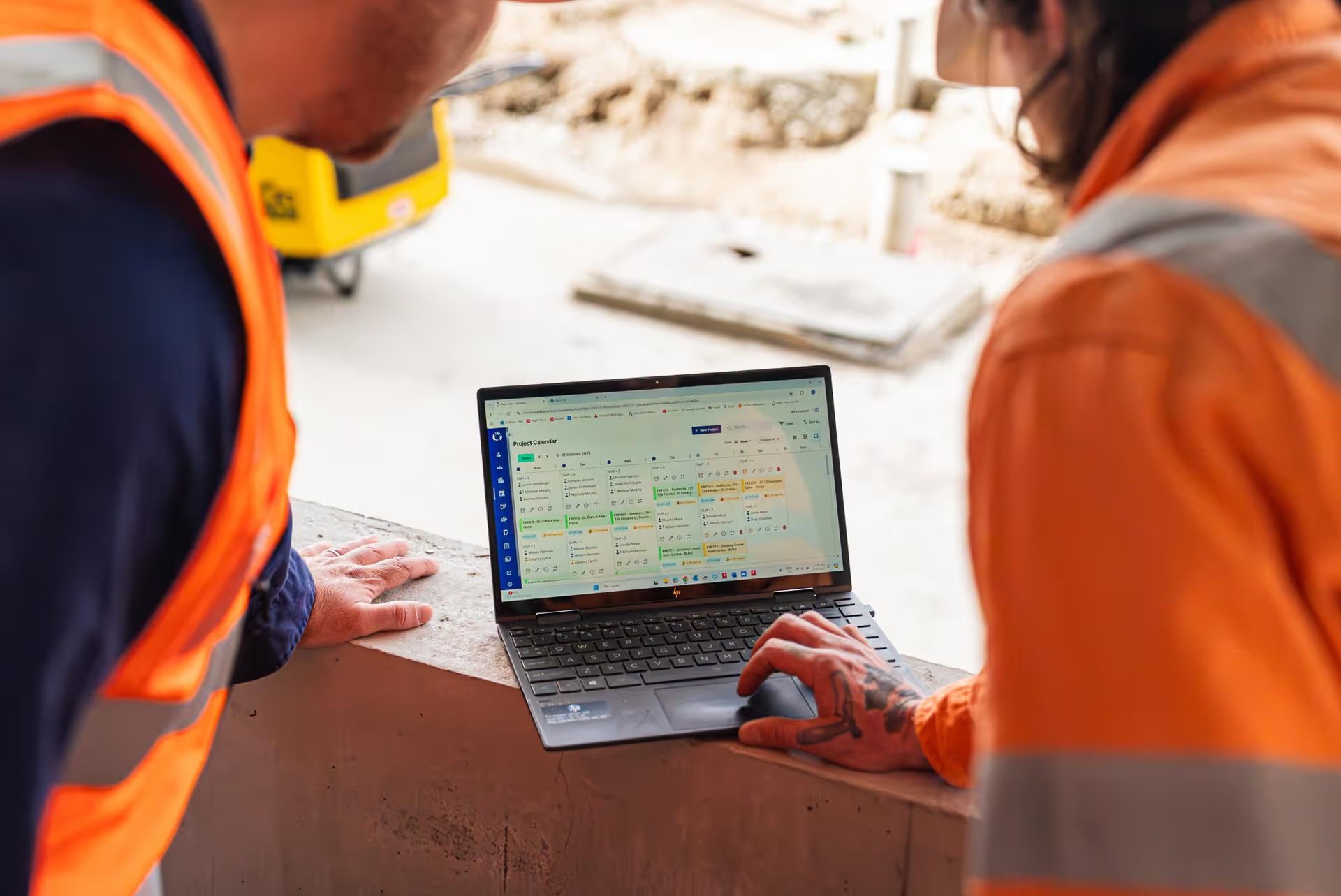
Our guide to measuring and tracking labour productivity
Ready to see an easier way to run your subcontracting business?
Get the clarity, accuracy and confidence you need to keep jobs and crews moving.