
Who completes the Construction Safety Plan?
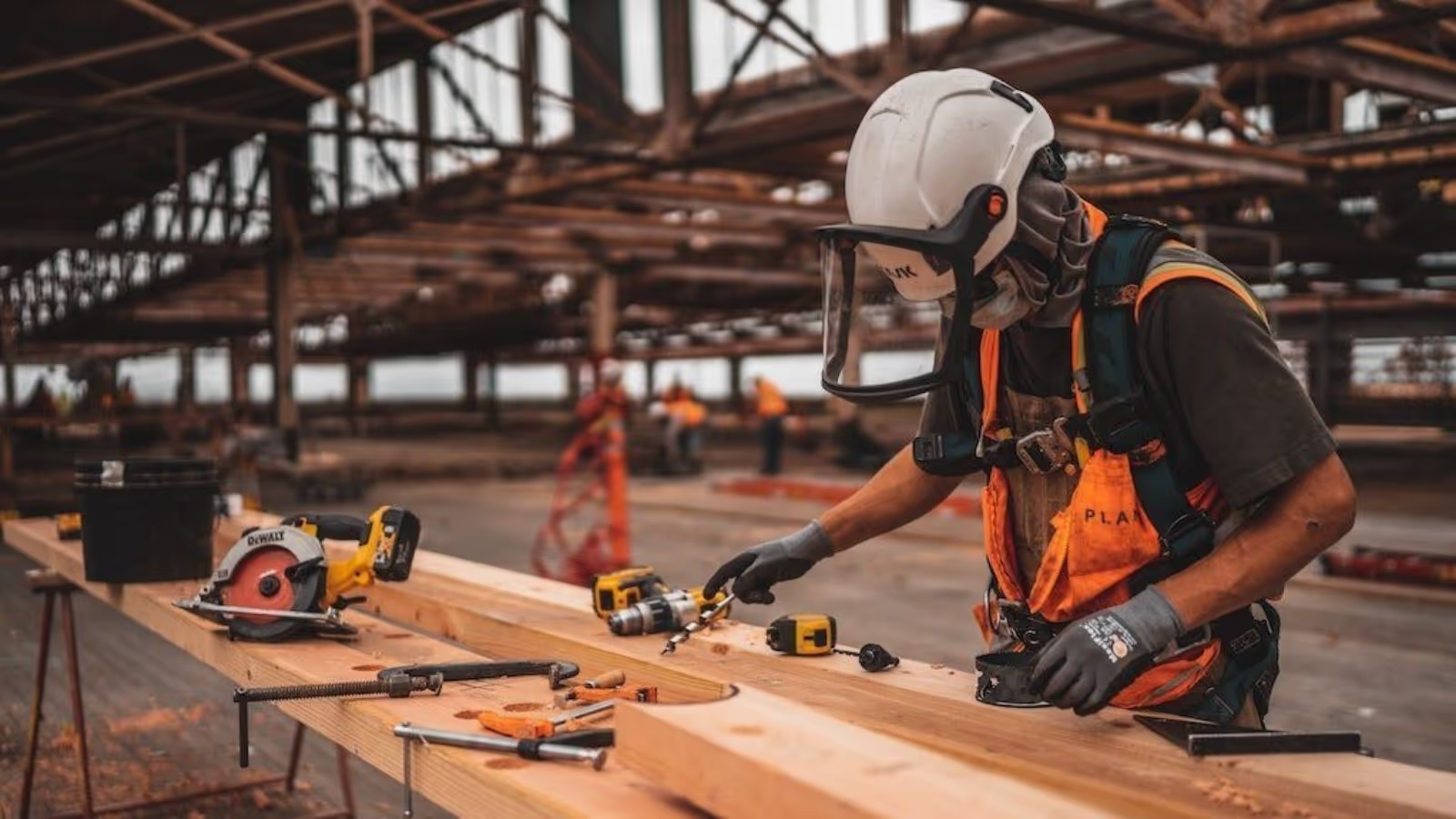
Safety is paramount in the construction industry. Maintaining a safe work environment is essential for busy sites, heavy machinery, and complex projects. That's where the Construction Safety Plan (CSP) comes into play. In this article, we'll walk you through the importance of a Construction Safety Plan and how they're crucial for risk mitigation and regulatory compliance on your construction project.
What is a Construction Safety Plan?
A Construction Safety Plan (CSP), or Construction Safety Management Plan, is a comprehensive document outlining how to ensure safety on your site. The process of creating one requires the project manager to think deeply about the risks on site and how to mitigate them, as well as how to monitor compliance with the plan.
A Construction Safety Plan typically includes:
- Hazard assessments
- Safety protocols
- Emergency procedures
- Compliance measures
- Risk mitigation strategies
The stakeholders involved in creating a Construction Safety Plan include:
- General contractors: The project bosses are responsible for the Construction Safety Plan.
- Subcontractors: Experts in their domains, contributing safety requirements to relevant sections of the plan.
- Site managers: Responsible for ensuring that on-site safety protocols are followed.
- Safety officers: The people who draft, update, and conduct safety assessments.
- Regulatory bodies: The organisations ensuring the Construction Safety Plan aligns with legal requirements.
- Clients: Approve the plan and any specific safety requests.
Who is responsible for completing the Construction Safety Plan?
Everyone has a role to play in completing a thorough Construction Safety Plan. This is key to ensuring that everyone is aware of their health and safety responsibilities within their area of the construction project.
General Contractors shoulder the primary responsibility, ensuring the CSP aligns with project objectives and legal requirements.
The Safety Officers must draft and update the plan, plus conduct work health and safety assessments and audits.
Subcontractors need to be actively involved by contributing content to sections relevant to their work and then by implementing and adhering to safety protocols.
Regulatory bodies (health and safety representatives) are a critical cross-check, as they review the CSP carefully to ensure the plan meets all legal requirements and conducts audits.
Clients also need to get their hands dirty. They must carefully and thoroughly review the final plan before considering any specific safety requirements and approving it for implementation.
Steps to complete a Construction Safety Plan
- Risk assessment: Identify potential risks and challenges.
- Draft plan: Create the first draft, including safety protocols and measures.
- Internal review: Have the different teams review the plan for improvements.
- External review (regulatory bodies): Ensure compliance with legal requirements.
- Client approval: The client reviews, adds input and approves the plan
- Implementation: Once it's finalised, it's time to put the plan into action. The Construction Project Manager and their safety team ensure that everyone follows it.
Collaboration between contractors and subcontractors
The only way a safety plan can be fully and properly implemented is if everyone on site and off site knows what to do. Effective collaboration tools and practices include:
- Regular meetings between principal contractor, project managers, construction workers, the health and safety representative, and other stakeholders
- Clear communication channels
- Team training on safety protocols
- Use of digital project management tools
Digital solutions for streamlining compliance
Modern construction management software can streamline compliance with the Construction Safety Plan, making it easier for subcontractors to do the right thing on site.
These tools allow for:
- Easy creation and completion of specific forms supporting safety compliance. This allows for the Construction Safety Plan, risk assessments, and compliance documents to be organised single project space that is accessible to everyone involved.
- Streamlining safety issue reporting and communication to the office team using a digital site diary or customised forms.
Monitoring and updating the Construction Safety Plan
A Construction Safety Plan is not a "set and forget" document to be pinned on the project office board and ignored.
Ongoing responsibilities include:
- Regular reviews and audits.
- Updates are communicated to the team based on changing circumstances, new regulations, or project developments.
- Immediate action on safety issues or incidents.
Common pitfalls and how to avoid them
- Insufficient input from subcontractors: Collaborate closely with subcontractors during Construction Safety Plan development, as their experience adds vital expertise.
- Lack of regular updates: Consider the Construction Safety Plan a living document, and keep it updated to ensure it evolves with the project.
- Overlooking legal requirements: Regularly check the Construction Safety Plan against current local and national regulations and update as needed.
Big things happen on construction sites, and Construction Safety Plans are the key to ensuring construction work is performed safety. It's a roadmap for mitigating risks, ensuring regulatory compliance, and keeping everyone safe on site. A safe construction site is a productive construction site, so don't underestimate the importance of a Construction Safety Plan in helping you get the job done within the timeframe, budget, and scope.
If you're a construction manager in Australia, review your current safety plans or start the process of creating one. Seek expert advice to ensure your Construction Safety Plan is comprehensive and compliant and consider software that can help you keep up with your requirements, with ease, such as Neo. Book a demo to learn more.

Frequently Asked Questions
Construction management software for subcontractors is software that helps subcontracting businesses manage crews, schedules, labour hours, compliance requirements and site documentation across multiple projects. It is designed for labour-intensive, site-based work and supports payroll accuracy, EBA and award compliance and the records needed to verify work performed.
Neo is subcontractor operations software built to solve common problems around managing crews, labour hours, compliance requirements and site records across multiple projects. Disconnected schedules, manual timesheets, payroll errors and missing site records lead to rework, disputes and margin leakage. Neo replaces fragmented processes with a single platform that keeps labour data, site activity and compliance aligned across every job.
Neo is subcontractor software used by construction businesses managing crews across multiple sites and projects. This includes a wide range of labour‑intensive, field‑based trades, such as concrete placement, concrete pumping, formwork, steel fixing, civil construction and labour hire, that rely on accurate crew scheduling, labour tracking, site documentation and EBA or award compliance to run their business efficiently
Neo is built for subcontractors of different sizes that manage crews across multiple projects. The subcontractor operations software supports both growing teams and larger subcontracting businesses, scaling as workforce size, project count and operational complexity increase.
Spreadsheets and whiteboards rely on manual updates and are often out of date, leading to missed changes, double booking and fragmented records. Neo is subcontractor software that provides real‑time scheduling, automated crew notifications, linked timesheets and site records in a single platform, ensuring crews in the field and teams in the office work from the same up‑to‑date information.
Neo subcontractor software pricing is structured around packages that scale with your business. Costs depend on factors like workforce size and operational needs, ensuring subcontractors only pay for what they use. A demo is the best way to understand which package fits your business and expected ROI.
Other Blogs
How to build a labour estimate you can actually track against
Is your subcontracting business ready for productivity tracking? Four questions to ask first
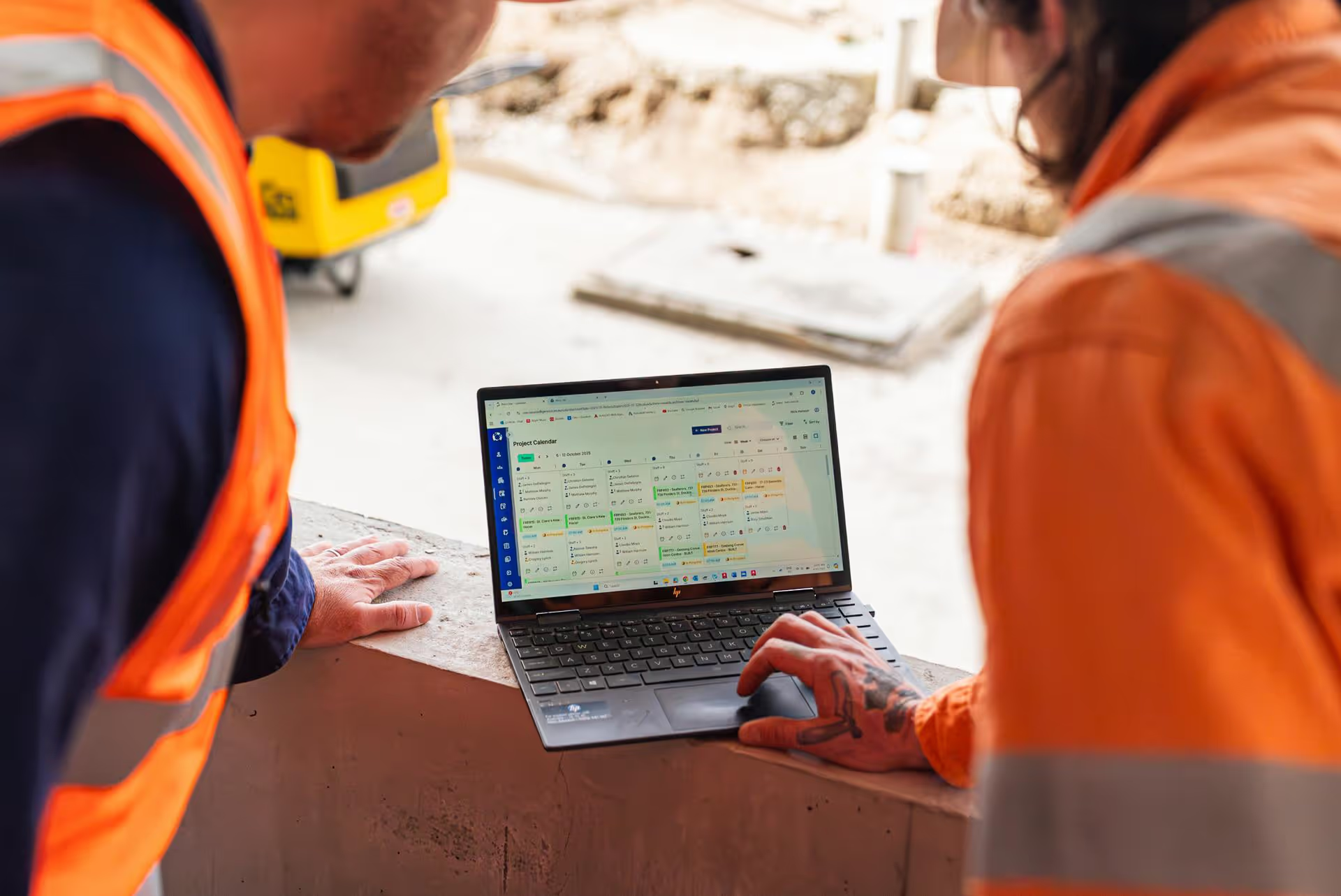
Our guide to measuring and tracking labour productivity
Ready to see an easier way to run your subcontracting business?
Get the clarity, accuracy and confidence you need to keep jobs and crews moving.